The Origins of the Loch Ness Monster Myth
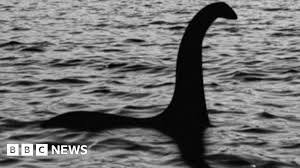
The legend of the Loch Ness Monster, affectionately known as “Nessie,” has fascinated the world for centuries. The first recorded sighting dates back to 565 AD in the writings of St. Columba, an Irish monk who reportedly encountered a “water beast” in the River Ness. However, the modern myth truly took hold in 1933 when a couple claimed to see a massive creature crossing the road near the loch. This sparked a media frenzy, and soon, Loch Ness became synonymous with cryptozoology. But long before these reports, local Scottish folklore spoke of kelpies—shape-shifting water spirits—that may have influenced early Nessie tales.
Loch Ness Monster: A Deep and Mysterious Lake
Loch Ness, located in the Scottish Highlands, is the second-deepest lake in the UK, plunging to depths of over 750 feet. Its dark, peat-stained waters make visibility extremely poor, fueling speculation about what might lurk beneath. The loch is part of the Great Glen Fault, a massive geological rift, and its sheer size—23 miles long and over a mile wide—provides ample hiding space for a large creature. Scientists have long debated whether Loch Ness could sustain a population of large animals, given its cold temperatures and limited food supply, but the mystery endures.
The Surge of Nessie Mania in the 20th Century
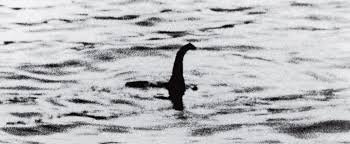
The 1930s saw an explosion of Nessie sightings, thanks in part to a new road along the loch that provided better access for travelers. The most famous photograph, the “Surgeon’s Photo” taken in 1934, appeared to show a long-necked creature emerging from the water. Decades later, it was revealed to be a hoax involving a toy submarine. Despite this, interest in Nessie never waned. In the 1960s and 70s, sonar expeditions detected unexplained large objects moving in the depths, and in 1975, an underwater photograph known as the “Gargoyle Head” added to the intrigue.
Scientific Investigations: Searching for the Truth
Numerous scientific expeditions have attempted to solve the Loch Ness mystery. In 1987, Operation Deepscan used a fleet of sonar boats to sweep the loch, detecting unexplained sonar contacts but no definitive proof of a monster. DNA sampling in 2018 analyzed water samples for unusual genetic material, finding no traces of large unknown creatures—only eels, which some speculate could explain some sightings. Despite these studies, believers argue that Loch Ness is vast enough to hide a reclusive animal, and the lack of conclusive evidence only deepens the enigma.
Nessie in Popular Culture: From Folklore to Global Icon
The Loch Ness Monster has transcended folklore to become a global pop culture phenomenon. Nessie has appeared in films, TV shows, books, and even video games, often depicted as a gentle giant rather than a fearsome beast. The tourism industry in Scotland has embraced the legend, with museums, boat tours, and souvenir shops capitalizing on Nessie’s fame. The creature has also inspired countless hoaxes and pranks, from fake footprints to staged photos, keeping the myth alive in the public imagination.
Unexplained Sightings and Strange Encounters
While many Nessie sightings have been debunked as floating logs, boat wakes, or optical illusions, some remain unexplained. In 2011, a boat captain captured sonar images of a large, fast-moving object deep below the surface. In 2020, a drone filmed a mysterious shape gliding through the water, reigniting debates. Some theories suggest Nessie could be a surviving plesiosaur, a giant sturgeon, or even a misidentified seal. Others propose supernatural explanations, tying the loch to ancient Celtic myths of otherworldly creatures.
The Economic and Cultural Impact of Nessie
The Loch Ness Monster is more than just a myth—it’s a major economic driver for Scotland. Thousands of tourists visit Loch Ness each year, hoping for a glimpse of the elusive creature. The legend has inspired documentaries, research projects, and even a dedicated “Nessie Hunter” community. Local businesses thrive on Nessie-themed merchandise, and the annual “Nessie Festival” celebrates the mystery with storytelling, music, and scientific discussions. The monster has become a symbol of Scottish identity, blending folklore with modern curiosity.
Visiting Loch Ness Monster: How to Experience the Mystery
For those eager to explore Loch Ness Monster, there are plenty of ways to immerse yourself in the legend. Boat tours offer the chance to scan the waters with sonar, while the Loch Ness Centre & Exhibition provides a deep dive into the history and science behind the myth. Urquhart Castle, perched on the loch’s shores, offers stunning views and its own share of eerie tales. Adventurous visitors can hike the surrounding trails or even join a nighttime vigil in hopes of spotting Nessie. Whether you’re a skeptic or a believer, Loch Ness promises an unforgettable journey into one of the world’s greatest mysteries.
Go to main page

