Nestled in the heart of Siberia, Lake Baikal stands as one of Earth’s most extraordinary natural wonders. Known as the “Sacred Sea” to local indigenous peoples, this massive body of water holds the distinction of being both the world’s deepest lake (1,642 meters) and the oldest (25 million years). Its crystal-clear waters contain nearly 20% of the planet’s unfrozen freshwater, creating an ecosystem so unique that scientists consider it a living laboratory of evolution. But beyond its scientific marvels, Lake Baikal holds ancient secrets, spiritual significance, and mysteries that continue to baffle researchers and visitors alike.
The Geological Wonder of Baikal
Lake Baikal’s formation tells a dramatic geological story. Situated in a massive continental rift zone, the lake grows wider by about 2 centimeters each year as tectonic plates slowly pull apart. This active rift valley creates a unique underwater landscape with hydrothermal vents, underwater caves, and towering cliffs that plunge into darkness. The lake’s water is exceptionally pure, filtered through a rare crustacean called the Baikal epischura that consumes organic matter. During winter, the frozen surface transforms into a surreal landscape of transparent ice with intricate patterns resembling shattered glass, attracting photographers from around the world.
The Unique Ecosystem of the Sacred Sea
Isolated for millions of years, Lake Baikal developed an ecosystem unlike any other. About 80% of its 2,500+ species exist nowhere else on Earth, including the adorable Baikal seal (nerpa), the world’s only exclusively freshwater seal. Scientists still debate how these marine mammals became trapped in an inland lake. The lake’s depths harbor mysterious lifeforms like the golomyanka, a translucent fish that gives birth to live young and contains so much oil that it dissolves in sunlight. Recently, researchers discovered giant mats of bacteria living in the lake’s depths that may hold clues to early life on Earth.
Ancient Legends and Spiritual Significance
For the Buryat people, indigenous to the Baikal region, the lake has always been sacred. Shamans believe Baikal’s Olkhon Island contains the dwelling place of powerful spirits, and local legends speak of a mythical dragon named Lusud-Khan living in the depths. One lesser-known tale tells of “Baikal’s Daughter,” the Angara River, who famously fled her father’s control to join her lover, the Yenisei. The dramatic Shaman Rock at Olkhon’s shore remains an active site of spiritual rituals, where offerings are still made to the lake’s spirits. During Soviet times, when religious practices were suppressed, locals would secretly throw coins into the lake as prayers.
The Mysterious Phenomena of Baikal
Lake Baikal has long been associated with unexplained events. Fishermen and locals report seeing strange lights moving beneath the ice in winter, leading to speculation about underwater UFO bases. In 1982, Soviet Navy divers allegedly encountered “swimming humanoids” in silver suits at depths of 50 meters, an incident later classified. More recently, scientists were baffled by the appearance of perfect ice circles visible from space, some reaching 4 kilometers in diameter. Some researchers suggest methane releases might explain these formations, while others point to the lake’s unique electromagnetic properties.
The Tragic History of the Circum-Baikal Railway
One of Lake Baikal’s most dramatic human stories involves the construction of the Circum-Baikal Railway, considered one of the most difficult engineering projects in Russian history. Built between 1896-1905, this 89-kilometer section required bridges through sheer cliffs and tunnels blasted through solid rock. Workers (including many prisoners) faced avalanches, rockfalls, and temperatures reaching -50°C. The most tragic incident occurred in 1904 when an entire work camp was buried by a landslide, killing hundreds. Today, this “Golden Buckle of the Trans-Siberian Railway” offers one of the world’s most scenic train journeys, with vintage steam locomotives still operating on special tours.
Baikal’s Environmental Challenges
Despite its protected status as a UNESCO World Heritage Site, Lake Baikal faces serious threats. The controversial Baikalsk Pulp and Paper Mill operated for decades before finally closing in 2013, leaving behind significant pollution. Climate change has caused water temperatures to rise faster than global averages, threatening endemic species. A more peculiar problem involves the explosive growth of invasive Spirogyra algae, fueled by inadequate sewage treatment from tourist facilities. Local activists have formed groups like the Baikal Environmental Wave to protect the lake, while scientists monitor the situation with growing concern about irreversible damage to this unique ecosystem.
Winter Wonders and Ice Marvels
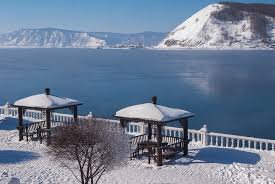
Between January and May, Lake Baikal transforms into the world’s largest natural ice rink. The ice becomes so clear and smooth that visitors can see 40 meters down into the water while standing on the surface. Mysterious ice hummocks form towering sculptures along the shore, while “ice tears” of pure methane create stunning bubble formations beneath the surface. The most daring travelers embark on multi-day ice treks between villages, guided only by markers placed on the frozen expanse. Local guides share stories of the lake “singing” – eerie sounds created by shifting ice plates that resonate across the frozen surface at night.
The Future of Siberia’s Blue Eye
As scientific interest in Baikal grows, new discoveries continue to emerge. Recent expeditions using submersibles have mapped previously unknown parts of the lake floor, discovering new species and underwater hot springs. The Russian government has declared Baikal a strategic freshwater reserve for the nation, while indigenous groups fight for greater involvement in its protection. With tourism increasing (over 1.5 million visitors annually), the challenge remains to balance preservation with access to this natural wonder. Perhaps the greatest mystery of all is how this ancient lake, having survived 25 million years of Earth’s changes, will fare in the face of modern human pressures.
Lake Baikal remains not just a body of water, but a living entity that has inspired awe, spirituality, and scientific curiosity for centuries. Whether drawn by its natural beauty, unique wildlife, or unsolved mysteries, visitors often describe feeling a profound connection to this Siberian sacred sea – a reminder of nature’s power to both create and preserve life on our planet.
Go to main page