
A Legendary Peak Shrouded in Mystery
Jabal al-Qamar, or the “Mountain of the Moon,” stands as one of Yemen’s most enigmatic natural wonders. Rising dramatically from the rugged terrain of the country’s western highlands, this mountain has long been steeped in myth and legend. Ancient Arab poets and travelers spoke of its otherworldly beauty, comparing its pale, moon-like glow to celestial silver under the night sky. Unlike other peaks in the region, Jabal al-Qamar carries an aura of mysticism, with tales suggesting it was once a sacred site for pre-Islamic moon worship. Even today, its remote location and the whispers of hidden treasures keep adventurers and scholars intrigued.
Ancient Myths and Forgotten Worship of Jabal al-Qamar
Long before Islam spread across Arabia, the Mountain of the Moon was believed to be a holy site dedicated to the worship of lunar deities. Some historians link it to the ancient Sabaean civilization, which revered celestial bodies, particularly the moon god Almaqah. Local folklore tells of a hidden temple carved into the mountain, where priests conducted rituals under the moonlight. One lesser-known legend speaks of a silver vein running through the mountain, said to be a divine gift from the moon itself. Though no definitive archaeological evidence has confirmed these claims, the stories persist, passed down through generations of Yemeni storytellers.
The Mountain’s Role in Early Trade Routes
Beyond its mythical significance, Jabal al-Qamar played a crucial role in the ancient incense trade. The mountain’s strategic position along the caravan routes connecting Yemen’s interior to the Red Sea made it a landmark for traders transporting frankincense and myrrh. Some accounts suggest that merchants would stop near its base to rest and seek blessings for safe passage. The mountain’s name may have even served as a navigational marker, its pale slopes guiding travelers through the harsh landscapes of the Arabian Peninsula. These forgotten chapters of history highlight how Jabal al-Qamar was more than just a natural wonder—it was a silent witness to centuries of commerce and cultural exchange.
European Explorers and the Quest for the Mountain
During the 19th century, European adventurers and Orientalists became fascinated by Yemen’s mysterious landscapes, and Jabal al-Qamar captured their imagination. British explorer Sir Richard Burton, famous for his travels to Mecca, wrote about hearing tales of a luminous mountain in Yemen but never reached it himself. Later, German archaeologist Eduard Glaser attempted to locate ancient inscriptions near the mountain, believing it held clues to lost Arabian civilizations. Despite these efforts, the Mountain of the Moon remained elusive, its secrets guarded by the rugged terrain and the reluctance of local tribes to guide outsiders.
The Geology Behind the Moon-Like Glow
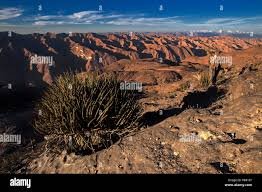
What gives Jabal al-Qamar its distinctive, almost ethereal appearance? Geologists suggest that the mountain’s pale limestone and quartz-rich formations reflect sunlight in a way that mimics the soft glow of the moon, especially at dawn and dusk. Unlike the darker volcanic peaks nearby, Jabal al-Qamar stands out with its silvery sheen, creating an optical illusion that has fueled its legendary status. Some researchers also speculate that rare mineral deposits could enhance this effect, though no major studies have confirmed this. The mountain’s unique geology not only contributes to its beauty but also deepens the enigma surrounding its name.
Hidden Caves and Rumored Treasures
Among the most tantalizing mysteries of Jabal al-Qamar are the rumored caves and hidden chambers within its slopes. Local legends speak of lost treasures buried by ancient kings or hidden by monks fleeing invaders. One tale tells of a secret passage leading to an underground spring, said to possess healing properties. While modern explorers have yet to uncover such wonders, the possibility of undiscovered caverns keeps the mountain a subject of intrigue. In recent years, amateur archaeologists and treasure hunters have attempted expeditions, but the mountain’s challenging terrain and political instability in Yemen have prevented major discoveries.
Jabal al-Qamar in Modern Yemen
Today, the Mountain of the Moon remains one of Yemen’s least-visited yet most awe-inspiring landmarks. Due to the country’s ongoing conflicts, tourism has dwindled, leaving Jabal al-Qamar largely untouched by modern development. For the few who do venture into its vicinity, the experience is surreal—standing before a mountain that seems to belong more to myth than reality. Some Yemeni poets and artists still draw inspiration from its legends, keeping the cultural legacy of Jabal al-Qamar alive even in troubled times.
Can the Mountain of the Moon Be Visited?
For those determined to see Jabal al-Qamar, the journey is arduous but rewarding. The mountain lies in a remote part of Yemen, far from major cities, and access requires local guides familiar with the region. The best time to visit is during cooler months when the air is clear, and the mountain’s moon-like glow is most visible. Despite the challenges, standing at the foot of Jabal al-Qamar is a humbling experience—a connection to ancient myths, forgotten histories, and the timeless beauty of Yemen’s landscapes.
Jabal al-Qamar remains a symbol of mystery and wonder, a place where history and legend intertwine. Whether seen as a sacred relic of the past or a geological marvel, the Mountain of the Moon continues to captivate those who seek its secrets. In a world where so much has been explored, Jabal al-Qamar stands as a reminder that some mysteries still linger, waiting to be uncovered.
Go to main page

