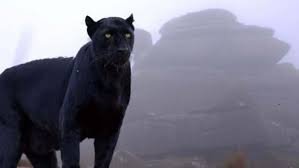
The Beast of Bodmin Moor: First Sightings of a Moorland Mystery
The legend of the Beast of Bodmin Moor began in earnest during the 1970s, when local farmers reported finding livestock mutilated in ways that suggested attacks by a large predator. By the 1980s and 1990s, sightings of a panther-like creature became so frequent that the British government launched an official investigation. The Ministry of Agriculture, Fisheries and Food concluded in 1995 that there was no verifiable evidence of big cats living wild in Cornwall—yet the sightings continued. What makes this mystery particularly intriguing is that some reports date back much further, with old Cornish folklore speaking of “phantom black dogs” and “demon cats” haunting the moors.
The Beast of Bodmin Moor: A Landscape Shrouded in Secrets
Bodmin Moor, a sprawling granite wilderness in Cornwall, provides the perfect setting for such a cryptid to remain hidden. The moor covers over 80 square miles of rugged terrain, dotted with ancient stone circles, abandoned mines, and mist-covered tors. Its dense fog and unpredictable weather have disoriented travelers for centuries, adding to its eerie reputation. The area is also home to Jamaica Inn, made famous by Daphne du Maurier’s novel, which has its own ghost stories. This combination of isolation, folklore, and natural mystery makes Bodmin Moor an ideal hunting ground—or hiding place—for a creature like the Beast.
Theories Behind the Beast’s Origins
Numerous theories attempt to explain the Beast’s existence. One popular suggestion is that it is a descendant of big cats released after the 1976 Dangerous Wild Animals Act, which forced private owners to either license their exotic pets or set them free. Others believe the creature could be a surviving population of prehistoric predators, citing Britain’s historical lynx and wolf populations. More fringe theories propose supernatural explanations, linking the Beast to Cornwall’s rich folklore of shape-shifting spirits and mythical beasts. Despite multiple investigations, including DNA testing of fur samples (which turned out to be from domestic cats), no definitive proof has ever been found.
The Most Compelling Evidence—And Hoaxes
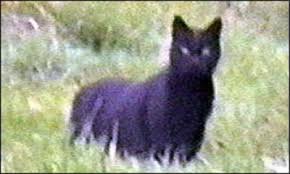
Over the years, several pieces of evidence have fueled the legend. In 1995, a boy discovered a large cat skull near the River Fowey, though experts later identified it as a leopard skull likely imported as a trophy. In 1998, a video surfaced showing a large black cat stalking the moor, but its authenticity remains debated. Farmers continue to report livestock killings with clean, surgical precision—unlike the messy attacks of foxes or dogs. Yet, for every credible sighting, there’s a hoax, such as the infamous “panther paw print” cast in plaster that was later revealed to be a prank.
The Beast in Cornish Culture and Tourism
The Beast has become a cultural icon in Cornwall, inspiring books, documentaries, and even a horror film. Local businesses capitalize on the legend, offering “Beast-themed” tours, souvenirs, and pub menus. The Jamaica Inn, already famous for its smuggling history, now hosts talks on the Moor’s mysteries. Some Cornish residents embrace the Beast as part of their identity, while others dismiss it as a nuisance that distracts from real wildlife conservation efforts. Either way, the legend persists, drawing cryptozoologists and curious visitors year after year.
Modern-Day Sightings and Scientific Interest
Sightings of the Beast continue into the 21st century, with reports of large black cats near villages like Bolventor and Altarnun. In 2020, a motorist claimed to have seen a panther-like creature cross the road near Dozmary Pool, a lake linked to Arthurian legend. Wildlife experts remain skeptical, suggesting misidentified dogs, feral cats, or even escaped zoo animals. However, the sheer number of consistent eyewitness accounts—many from experienced farmers and hikers—keeps the debate alive. Some researchers propose using trail cameras and drone surveillance to finally solve the mystery.
Why the Legend Refuses to Die
The Beast of Bodmin Moor endures because it taps into deeper human fascinations—fear of the unknown, the thrill of the hunt, and the romance of wild places resisting modern explanation. Like Scotland’s Loch Ness Monster or America’s Bigfoot, the Beast represents something just beyond our understanding, lurking in the shadows of civilization. Cornwall’s history of smuggling, witchcraft, and Celtic myths only adds to the allure, making the Beast more than just a cryptid—it’s a symbol of the moor’s untamed spirit.
Visiting The Beast of Bodmin Moor: A Hunter’s Guide
For those brave enough to seek the Beast, Bodmin Moor offers breathtaking hikes and eerie landscapes. Key hotspots include Rough Tor, where sightings have been frequent, and Dozmary Pool, steeped in Arthurian lore. The Bodmin Moor Beast Trail, a self-guided tour, takes visitors to notable sighting locations. Local guides advise going at dawn or dusk, when the Beast is said to be most active—and to keep cameras ready. Whether you believe in the legend or not, the moor’s stark beauty and haunting atmosphere make it a trip worth taking.
Go to main page

